
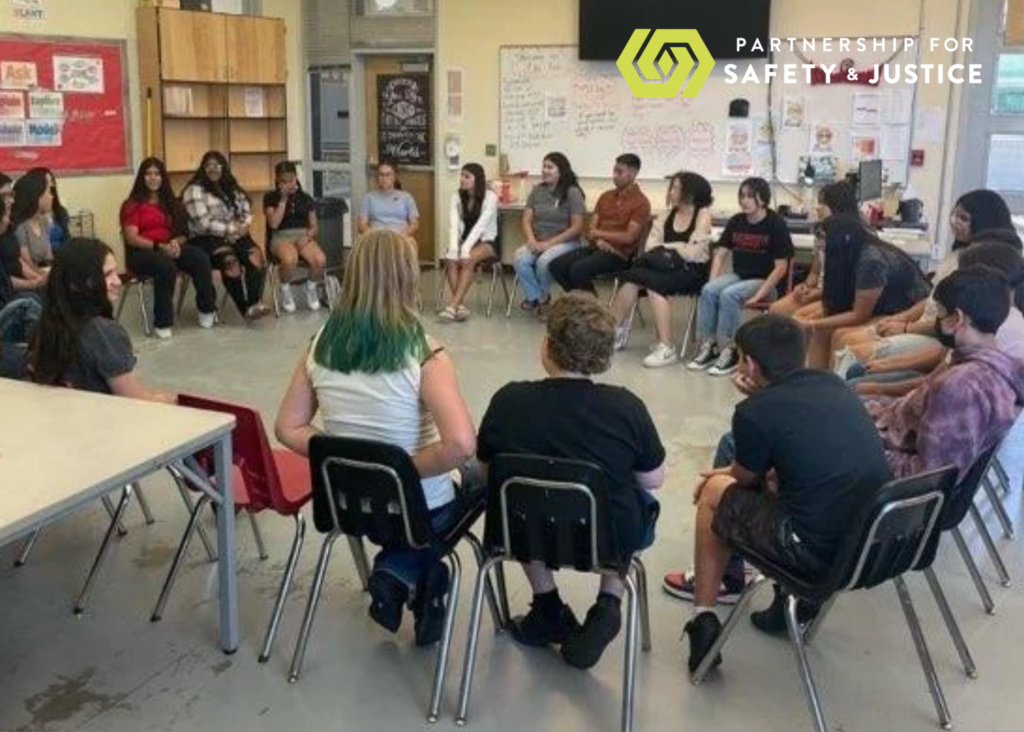
In 2022, Partnership for Safety and Justice (PSJ) successfully advocated for the Justice Reinvestment Equity Program (SB 1510), which distributed $10 million to 18 organizations focusing on reentry programs, victim services, and violence intervention across Oregon. PSJ recently met with Phil Ortega, the founder of Life Art, to learn about the impact of JREP on his work to dismantle the school-to-prison pipeline in Jackson County, Oregon.

As an educator for over 25 years, Phil identified a pervasive, systemic issue harming Oregonians: the destructive intersection between the criminal justice and educational systems, where (1) people of color are disproportionately arrested and jailed, and (2) those incarcerated or in custody have significantly lower educational attainment. For example, in Jackson County, people of color represent 57% of the county jail population, despite only making up 14% of the total county population.
Contextual data reinforces the school-to-prison pipeline, describing how there is a high concentration of students, specifically students of color, who are often labeled as disruptive and experience harsher punishments including expulsion or suspension, which also contributes to the increased likelihood of justice-involvement.
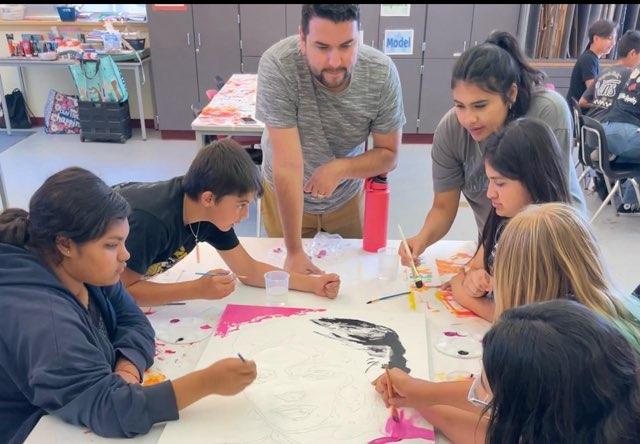 In response to witnessing the cycle of kids getting funneled into the justice system, Phil created Life Art, an intensive mentorship program targeting at-risk youth through art making, peer support groups, academic tutoring, and violence reduction. Phil reflects on Life Art’s model: “What was it that triggered the youth, can we identify the irregularities in the behavior, and can we intervene then?”
Youth participate in six months of programming and receive a mentor, who is also another young person in the community. Phil describes the mentorship as a “big brother or big sister” program for youth by uplifting their holistic well-being and ensuring they stay on track to graduate. Life Art fills the gaps in services during unstructured, unsupervised hours by providing after school programs and youth support groups on the weekends, while building a family unit where they support each other through ups and downs.
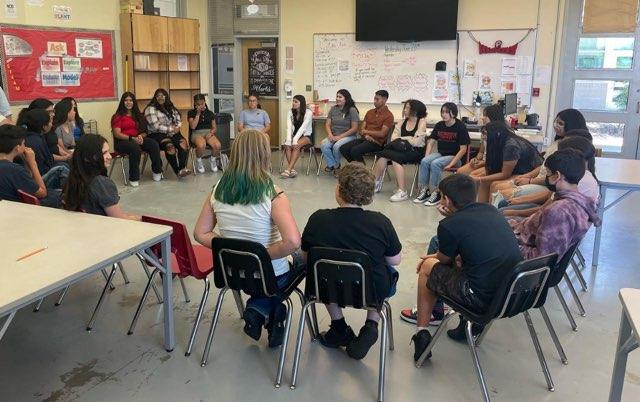 Youth are also taught to lead with accountability and to develop tangible skills to regulate their emotions. Phil states, “if we’re going to break the cycle of second and third generation of poverty, then we need to intervene at that moment when their minds are being developed.” This is a critical stage where youth are molding decision-making and emotional regulation skills. Youth also earn incentives attached to their grades, behavior, attendance, and civility. Life Art’s goals are to improve the outcomes for youth, particularly those who are justice-involved to successfully move back into the school system.
Another core strategy is using art as a vehicle to teach coping skills. Phil states, “we’re trying to build the next generation to be resilient.” Youth learn how to slow down while relaxing their minds while nurturing the soul and heart. There are different ways for youth to learn, but through art, they learn the skills needed to become self-driven and advocate for themselves, in addition to the tools they gain from Life Art. 
With JREP funding, Life Art was able to expand its capacity by hiring mentors, providing more programs to serve youth, and achieving 27 months of successful outcomes among participants.
Without continued investment from JREP, Life Art was forced to cut roughly 50 youth from its program due to reductions in mentor staffing. That means fewer youth receiving mentorship, fewer safe spaces after school, and fewer early interventions that prevent justice involvement before it begins.
Funding JREP means sustaining organizations like Life Art that are building long-term public safety by investing in youth, strengthening families, and addressing the root causes of harm. They are doing the upstream work — this is what it looks like to reduce reliance on incarceration: invest early, support community-led solutions, and ensure that culturally specific organizations have the resources they need to continue helping their communities heal.