
Oregon is leading innovative solutions to reduce the generational harm of incarceration by ensuring that people have second chances to rebuild their lives.
Instead of separating parents from their children through incarceration, the Family Sentencing Alternative Program (FSAP) provides structured supervision, court oversight, and individualized case planning while parents remain at home or in community-based housing. Participants are required to engage in treatment, maintain employment or pursue education, comply with probation conditions, and work closely with service providers – all while continuing to care for and raise their children.
By keeping families together, FSAP reduces the trauma children experience when a parent is incarcerated, helps prevent entry into foster care, and allows parents to build stability in real time. The program provides participants with access to housing support, health services, employment assistance, and case management – ensuring parents have the tools and support they need to succeed.
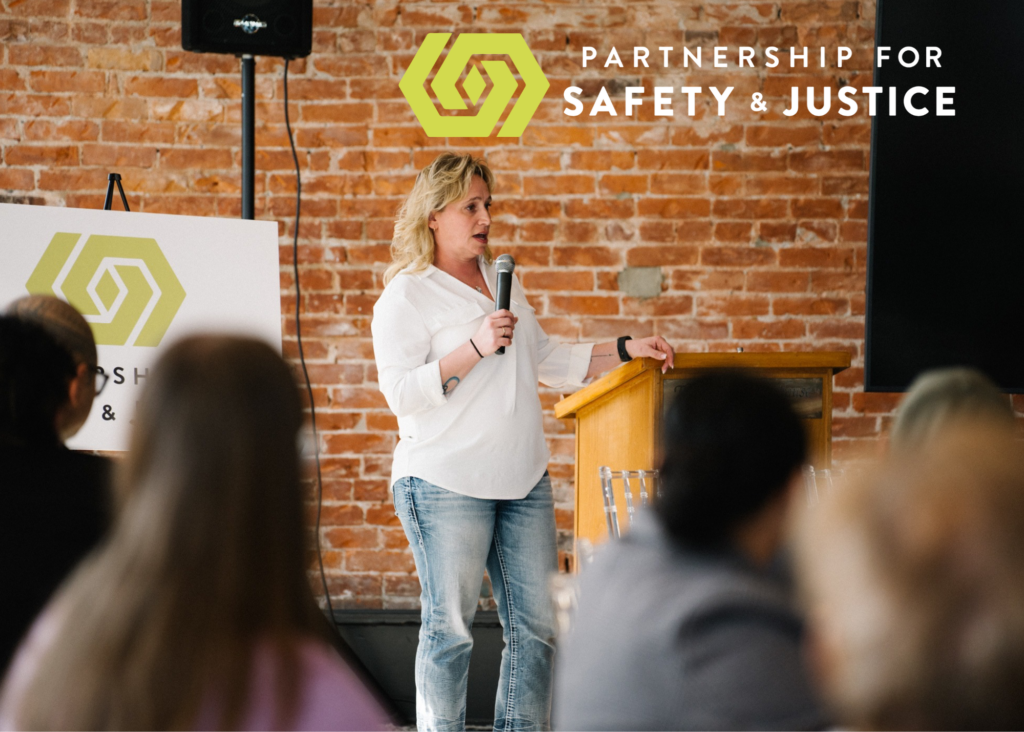
Jill Schermett, a Peer Support Supervisor with The Pathfinder Network, believes that FSAP is a major reason why she is here today. She currently works with program participants, bringing her lived experience to the program.
In her testimony to legislators, she shared: “With over six years of sobriety, I’m able to provide support to women facing the same challenges I once did. I can proudly say that without the program and the unwavering support of my probation officer, I wouldn’t be where I am today.”
When Jill was an FSAP participant, she accessed treatment and was able to earn her Certified Recovery Mentor (CRM) certification through the program. She has now been working in this field for five years and credits her PO for believing in her.
Now, she provides that same support for other women participating in FSAP. Jill describes the atmosphere of FSAP as a “village,” where she witnesses participants grow, watching the spark return to their eyes as they begin to believe in themselves. She shows them that it is truly possible to move off the streets and build a stable life.
For Jill, accountability means empowering people with integrity and demonstrating that it only takes one person to believe in them for them to believe in and empower themselves. It is also about second chances, giving people the opportunity to unite with their child and rebuild their lives.
FSAP works with families, not just individuals, and ensures that people have the tools to succeed including housing, economic stability, education, and treatment.
This is an example of the power of FSAP: investing in people by providing pathways for stability, accountability, and healing, not incarceration.